What Are Industrial Gases? Types, Applications, and Their Role in Modern Industry

What Are Industrial Gases? Types, Applications, and Their Role in Modern Industry

Industrial gases form the invisible backbone of modern manufacturing, healthcare, energy, and technology industries. From producing steel and refining chemicals to enabling semiconductor manufacturing and medical care, industrial gases play a critical role in ensuring operational efficiency, product quality, and safety across sectors.

Understanding what industrial gases are and how they are used helps businesses optimize their processes, improve productivity, and maintain reliable operations.

What Are Industrial Gases?

Industrial gases are gaseous materials that are produced, purified, and supplied specifically for industrial applications. Unlike consumer gases used in households, industrial gases are manufactured and handled under strict quality and safety standards to meet the precise requirements of different industries.
These gases can be supplied in different forms depending on the scale and application:
  • Compressed gases supplied in cylinders
  • Liquefied gases stored in cryogenic tanks
  • Pipeline supply from on-site gas production plants
Industrial gases may exist in gaseous, liquid, or compressed states, depending on how they are produced, stored, and transported. Their versatility allows them to support a wide range of industrial processes—from combustion and cooling to chemical reactions and precision manufacturing.

Today, industrial gases are essential across sectors such as metals, healthcare, food processing, electronics, energy, chemicals, and pharmaceuticals.

Types of Industrial Gases

Industrial gases can broadly be categorized based on their source and application.

1. Atmospheric Gases

Atmospheric gases are extracted from air through advanced processes such as air separation. The most commonly used atmospheric gases include:
Oxygen (O₂)
Widely used in steelmaking, metal cutting, chemical processing, and medical applications. Oxygen enhances combustion efficiency and supports high-temperature industrial processes.
Nitrogen (N₂)
An inert gas commonly used for blanketing, purging, pressure testing, and food preservation. Its non-reactive nature makes it ideal for preventing oxidation and contamination.
Argon (Ar)
A noble gas known for its stability and inertness. Argon is extensively used in welding, electronics manufacturing, and metallurgical processes.
These gases form the foundation of industrial gas applications across many sectors.

2. Fuel Gases

Fuel gases are primarily used as energy sources in industrial processes that require high-temperature combustion.
Common examples include:
Natural Gas – Widely used for industrial heating and power generation.
Hydrogen – Increasingly important for refining, chemical processing, and emerging clean energy solutions.
Acetylene – Known for its extremely high flame temperature, making it ideal for welding and metal cutting.
Fuel gases are critical in industries that rely on efficient thermal energy for manufacturing and processing.

3. Specialty Gases

Specialty gases refer to high-purity gases or carefully formulated gas mixtures used in highly controlled applications.
These gases are widely used in:
  • Semiconductor manufacturing
  • Scientific research laboratories
  • Pharmaceutical production
  • Electronics fabrication
  • Solar cell manufacturing
Specialty gases often require extremely high purity levels and precise composition control to ensure process accuracy and product quality.

Applications of Industrial Gases Across Industries

Industrial gases are used across a wide range of industries to enhance process efficiency, safety, and product performance.
  • Healthcare and Medical Services
    Medical gases play a vital role in modern healthcare systems.
    Oxygen is essential for respiratory therapy, anesthesia, and life-support systems. High-purity medical gases are also used in diagnostic laboratories and surgical procedures, where reliability and purity are critical.
  • Metals and Manufacturing
    Industrial gases are indispensable in metal production and fabrication processes.
    Applications include:
    • Welding and metal cutting
    • Heat treatment
    • Steelmaking processes such as oxygen blowing
    • Shielding gases in advanced welding technologies
    For example, oxy-acetylene welding, which uses a mixture of oxygen and acetylene, can produce flames exceeding 3,500°C, enabling precise cutting and joining of metals.
  • Energy and Power Generation
    Industrial gases support operations across the energy sector, including refineries, power plants, and emerging renewable energy systems.
    Nitrogen is widely used for purging pipelines and preventing contamination in critical equipment.
    Hydrogen is increasingly important in clean energy applications and fuel technologies.
  • Electronics and Semiconductor Manufacturing
    The electronics industry relies heavily on ultra-high purity gases to ensure contamination-free manufacturing environments.
    Gases such as nitrogen, hydrogen, and specialty gas mixtures are essential for:
    • Semiconductor fabrication
    • Display manufacturing
    • Integrated circuit production
    Precision and purity are critical in these processes, where even trace contaminants can affect product performance.
  • Food and Beverage Processing
    Industrial gases play an important role in maintaining food quality, safety, and shelf life.
    Common applications include:
    • Carbon Dioxide (CO₂)
      Used in beverage carbonation and modified atmosphere packaging (MAP) to inhibit microbial growth.
    • Nitrogen (N₂)
      Used for inert packaging environments that delay oxidation and preserve freshness.
    Gases are also used in food freezing, chilling, and processing to maintain product quality.
  • Chemicals and Pharmaceuticals
    Industrial gases are widely used in chemical synthesis, process control, and reaction environments.
    In pharmaceutical manufacturing, gases must meet stringent purity and regulatory requirements to ensure product integrity and compliance with global standards.

The Importance of Purity, Safety, and Reliable Supply

The effectiveness of industrial gases depends on three critical factors:

Purity

High purity levels ensure consistent process performance and prevent contamination that could compromise product quality.

Safety

Many industrial gases are stored under pressure or may be reactive. Strict safety protocols, proper storage, and trained handling are essential for safe operations.

Reliable Supply

For industries that operate continuously, such as steel, chemicals, and healthcare, a dependable gas supply is crucial to avoid operational disruptions.

Why Choose INOX Air Products for Industrial Gas Solutions?

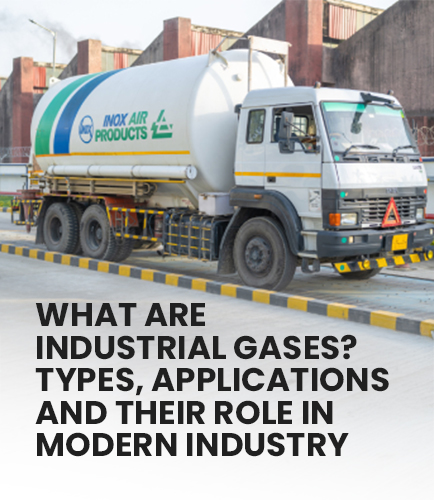
As one of India’s leading industrial gas companies, INOX Air Products delivers reliable, high-purity gas solutions to industries across the country.
The company supports a diverse range of sectors including steel, manufacturing, electronics, healthcare, food processing, and energy through advanced production infrastructure and a robust supply network.
INOX Air Products offers:
  • High-purity industrial and specialty gases
  • Large-scale on-site gas production facilities
  • Bulk liquid gas supply through cryogenic tankers
  • Cylinder supply for small and medium-scale industries
  • Technical expertise to optimize industrial gas applications
With a strong presence across India and decades of operational expertise, INOX Air Products partners with more than 1,800 small, medium, and large manufacturing facilities, helping them enhance productivity, improve efficiency, and maintain safe and reliable operations.

Get in Touch!

Maximize Productivity With Our High-Purity Gas Solutions
    Tank Blanketing: Protecting Product Integrity with Inert Gases
    Tank Blanketing: Protecting Product Integrity with Inert Gases

    Tank Blanketing: Protecting Product Integrity with Inert Gases

    Protecting the quality, purity, and safety of stored chemicals and materials is critical in industrial facilities. Many products—especially chemicals, fuels, pharmaceuticals, and food ingredients—can degrade when exposed to oxygen, moisture, or airborne contaminants.

    To prevent these risks, industries widely use a technique known as tank blanketing (also called inert gas blanketing). This process involves filling the empty space above stored liquids with an inert gas—typically nitrogen—to displace oxygen and create a protective atmosphere.

    By maintaining a stable and oxygen-free environment inside storage tanks, blanketing helps prevent oxidation, contamination, and hazardous reactions, ensuring product integrity throughout storage and handling.

    This article explains what blanketing is, how inert gases protect products, and which industries rely on blanketing systems to maintain product quality and safety.

    What is Blanketing in Industrial Processes?

    Blanketing is an industrial storage technique in which an inert gas is introduced into the headspace of a storage tank to form a protective gas layer above the stored material.
    This inert gas layer:
    • Displaces oxygen from the tank
    • Prevents oxidation reactions
    • Reduces contamination risks
    • Maintains product stability during storage
    Nitrogen blanketing is the most commonly used method because nitrogen is chemically inert, readily available, and cost-effective.

    Modern nitrogen supply systems and on-site nitrogen generators allow industries to maintain continuous and controlled blanketing conditions, ensuring safe and efficient storage operations.

    Benefits of Inert Gas Blanketing

    Industrial blanketing systems help protect sensitive materials and improve operational safety.
    Key benefits include:
    • Prevention of oxidation of reactive materials
    • Protection against moisture contamination
    • Maintaining product purity and stability
    • Reducing fire and explosion risks in storage tanks
    By maintaining an inert atmosphere, blanketing systems help industries preserve product quality while ensuring safe storage conditions.

    How Inert Gases Protect Stored Products

    Inert gases such as nitrogen, argon, and carbon dioxide do not react chemically under normal industrial conditions. When used in blanketing systems, they replace oxygen in the tank headspace and create a protective barrier between the stored product and ambient air.
    • Prevention of Oxidation
      Many chemicals, fuels, and food ingredients react with oxygen when exposed to air. Oxidation can alter chemical properties, degrade product quality, and shorten shelf life.
      Inert gas blanketing eliminates oxygen exposure, preventing these unwanted reactions.
    • Moisture Control
      Air often contains moisture that can trigger chemical reactions or degrade hygroscopic materials.
      Inert gas blanketing minimizes humidity exposure and helps protect moisture-sensitive products.
    • Prevention of Contamination
      Blanketing systems maintain positive pressure inside storage tanks, preventing external contaminants such as dust, air, or airborne particles from entering the system.
      This helps maintain a clean and controlled storage environment.

    Common Blanketing Gases Used in Industry

    Several inert gases are used for tank blanketing depending on the application.
    • Nitrogen
      Nitrogen is the most widely used blanketing gas in industrial applications.
      Key advantages include:
      • Chemically inert under most conditions
      • Abundant and cost-effective
      • Suitable for a wide range of industries
      Nitrogen blanketing prevents oxidation, removes oxygen from storage tanks, and maintains stable product quality.
    • Argon
      Argon is another inert gas used when higher levels of oxidation protection are required.
      Because argon is denser than air, it forms a strong protective layer over stored materials and is often used in specialized chemical and high-value manufacturing processes.
    • Carbon Dioxide
      Carbon dioxide is commonly used in food and beverage applications, where it helps preserve product freshness and extend shelf life.
      However, compatibility with the stored material must be carefully evaluated before using CO₂ for blanketing.

    Industries That Rely on Blanketing Systems

    Many industries depend on inert gas blanketing to maintain product quality and safety.
    • Chemical Industry
      Chemical manufacturers handle volatile and reactive compounds. Blanketing reduces oxygen levels in storage tanks, preventing oxidation reactions and lowering explosion risks.
    • Pharmaceutical Industry
      In the pharmaceutical sector, maintaining product purity and stability is essential.
      Blanketing protects active pharmaceutical ingredients (APIs) and intermediates from contamination and oxidation, helping manufacturers comply with strict regulatory standards.
    • Food and Beverage Industry
      Products such as edible oils, flavorings, and liquid ingredients are highly sensitive to oxygen exposure.
      Blanketing helps maintain freshness, extend shelf life, and preserve flavor, color, and nutritional value.
    • Petrochemical and Energy Sector
      In petrochemical storage facilities, inert gas blanketing helps maintain fuel quality, reduce vapor formation, and minimize fire hazards during storage and transportation.
    • Choosing the Right Industrial Gas Supplier
      The effectiveness of a blanketing system depends on gas purity, supply reliability, and technical support.
      Working with an experienced industrial gas supplier ensures consistent gas quality and compliance with industry standards.
    INOX Air Products provides high-purity nitrogen, argon, and other industrial gases for blanketing applications across multiple industries.

    With advanced supply infrastructure, technical expertise, and reliable gas delivery systems, INOX Air Products helps businesses safeguard their products, operations, and personnel.

    Conclusion

    Tank blanketing is a critical process for industries that store oxygen-sensitive materials. By creating an inert atmosphere inside storage tanks, blanketing protects products from oxidation, contamination, and moisture exposure.

    Industrial gases—particularly nitrogen—play a vital role in maintaining product quality, operational safety, and regulatory compliance.

    By partnering with reliable industrial gas providers such as INOX Air Products, businesses can implement efficient blanketing systems that improve product stability, extend shelf life, and reduce operational risks.

    Get in Touch!

    Maximize Productivity With Our High-Purity Gas Solutions
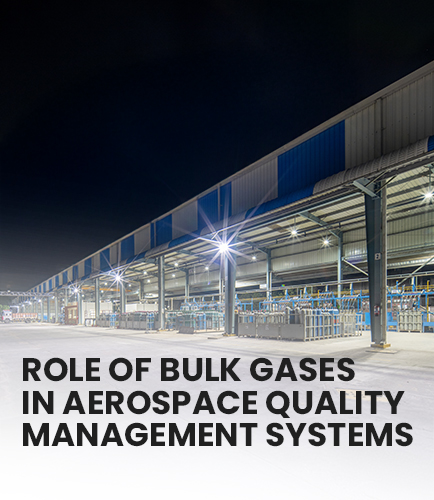
      Role of Bulk Gases in Aerospace Quality Management Systems
      Role of Bulk Gases in Aerospace Quality Management Systems

      Role of Bulk Gases in Aerospace Quality Management Systems

      Aerospace manufacturing is among the most highly regulated industries in the world. Every component used in aircraft and spacecraft must meet stringent requirements for safety, reliability, and performance. To ensure these standards are consistently achieved, aerospace manufacturers rely on structured frameworks such as the Aerospace Quality Management System (QMS), commonly aligned with standards like AS9100.

      While materials such as advanced alloys, composites, and precision components are often the focus of aerospace quality systems, industrial gases—particularly bulk gases—play an equally critical role in ensuring process integrity and product quality.

      Gases such as oxygen, nitrogen, helium, and argon are essential process inputs across aerospace manufacturing. They are used in everything from fabrication and heat treatment to testing and environmental simulation. The purity, consistency, and delivery systems of these gases directly impact process reliability, product performance, and regulatory compliance.

      This article explores where bulk gases fit within aerospace quality management systems and why they are an integral part of aerospace manufacturing operations.

      The Role of Bulk Gases in Aerospace Manufacturing

      Bulk industrial gases are widely used throughout aerospace production and testing environments. Their role spans several critical processes.
      • Inerting and Atmosphere Control
        Gases such as nitrogen and argon are used to create oxygen-free environments during manufacturing processes. Inert atmospheres prevent oxidation and contamination when working with sensitive aerospace materials and components.

      • Welding and Metal Fabrication
        High-purity gases are essential for precision welding, brazing, and cutting operations used in manufacturing aircraft structures and engine components. Shielding gases such as argon ensure stable arcs and high-quality welds while protecting molten metal from atmospheric contamination.

      • Environmental Simulation and Testing
        Aerospace testing facilities often use oxygen, helium, or specialized gas mixtures in altitude simulation chambers and pressure testing systems. These gases help recreate the conditions experienced during flight to validate component performance.

      • Life Support and Propulsion Systems
        In aviation and space applications, gases are also used in life-support systems, propulsion technologies, and testing environments. For example, pure oxygen is required in certain breathing systems, while helium is often used in leak detection and propulsion testing.

      Quality and Consistency Requirements

      To meet aerospace manufacturing standards, bulk gases must be fully integrated into the facility’s Quality Management System (QMS). This ensures that gas supply, handling, and monitoring meet strict aerospace compliance requirements.
      • Supplier Qualification
        Gas suppliers must undergo rigorous qualification and auditing processes to ensure they can meet aerospace industry standards for purity, reliability, and traceability. Certifications such as ISO quality standards or AS9100 alignment, along with certificates of analysis, are typically required.

      • Gas Quality Specifications
        Each gas used in aerospace manufacturing must meet clearly defined specifications, including parameters such as:
        • Purity levels
        • Moisture content
        • Hydrocarbon limits
        • Oxygen concentration
        These specifications are monitored at multiple stages including delivery, storage, and point-of-use to maintain process consistency.

      • Documentation and Traceability
        Traceability is a fundamental requirement in aerospace quality systems. Every gas delivery—whether cylinder-based or bulk supply—must be documented and traceable from production through usage. This documentation supports audits, compliance checks, and root-cause investigations if process deviations occur.

      • Monitoring and Quality Control
        Continuous monitoring systems are often used to verify gas purity, pressure, and flow parameters. If any deviation from the specified limits occurs, QMS procedures define how the issue must be isolated, investigated, and corrected.

      Gas Infrastructure in Aerospace Applications

      Beyond gas composition itself, the infrastructure used to store and distribute gases is also a critical component of aerospace quality systems.
      • Bulk Storage Systems
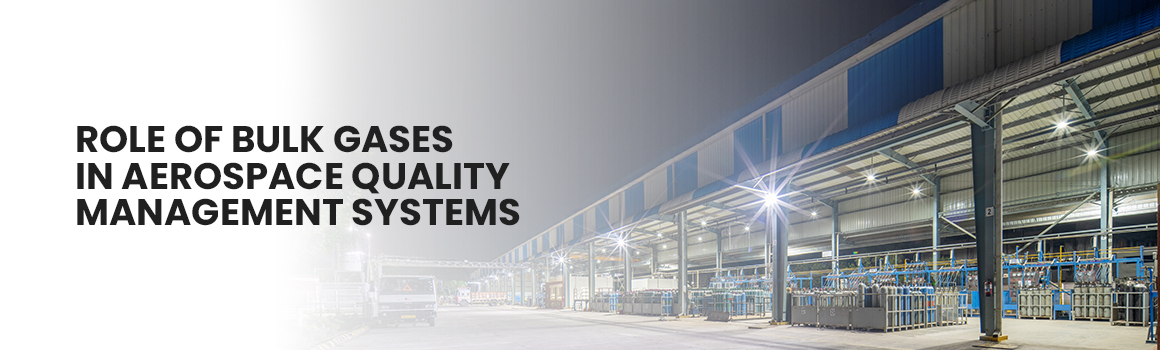
        Cryogenic tanks or high-pressure storage vessels are used to store gases safely at manufacturing sites. These systems are designed according to strict safety standards and are aligned with plant risk assessments.

      • Gas Distribution Networks
        Manifolds, pipelines, and point-of-use regulators distribute gases throughout the facility while maintaining pressure stability and purity levels. Proper design ensures that gas quality is preserved from the source to the application point.

      • Monitoring and Alarm Systems
        Advanced monitoring systems track gas purity, pressure, and flow rates in real time. Integrated alarms allow plant operators to quickly respond to anomalies or system deviations.

      • Documentation and System Validation
        Gas infrastructure installations must be fully documented and validated. Records typically include:
        • Installation and commissioning logs
        • Preventive maintenance records
        • System qualification documentation
        These records support internal quality audits and regulatory inspections. Even minor infrastructure issues—such as leaks or unvalidated modifications—can introduce contamination risks and compromise aerospace production quality.

      • Compliance and Risk Management
        Because aerospace manufacturing operates under strict regulatory oversight, gas systems must also be managed from a risk mitigation perspective. Improper gas handling or quality deviations can lead to several risks:
        • Contamination Risk
          Impurities such as moisture, hydrocarbons, or particulate contamination can affect weld integrity, surface finishes, or material performance.

        • Process Drift
          Variations in gas composition, pressure, or flow can impact furnace atmospheres, welding stability, or heat treatment processes.

        • Safety Risks
          Improper handling of gases can create hazardous conditions such as oxygen enrichment, hydrogen leakage, or pressurized gas hazards, increasing the risk of fire or explosion.

        • Audit Non-Conformities
          Incomplete documentation or uncontrolled utilities may result in audit findings during customer inspections or regulatory reviews.
      Managing gas systems effectively within the QMS framework helps aerospace manufacturers reduce these risks and maintain compliance.

      Choosing the Right Industrial Gas Partner

      In aerospace manufacturing, bulk gases must operate as fully controlled process inputs within the broader quality management framework. Partnering with a reliable gas supplier helps ensure that gas supply systems align with plant layouts, production requirements, and compliance standards.

      INOX Air Products provides high-quality industrial gas solutions designed to support demanding industries such as aerospace, electronics, and advanced manufacturing. The company’s gas production, purification, and distribution systems are engineered to deliver consistent purity, reliable supply, and safe operation across critical industrial processes.

      By treating industrial gases as an integral part of the manufacturing ecosystem, aerospace companies can significantly reduce operational risks while improving production quality and regulatory compliance.

      Supporting Aerospace Manufacturing with Reliable Gas Solutions

      Bulk gases are not simply utilities—they are critical process inputs that influence product quality, safety, and regulatory compliance in aerospace manufacturing. Integrating gas supply systems into the Quality Management System ensures consistent performance and reliable operations.

      INOX Air Products works with advanced manufacturing industries to design and deliver gas supply solutions tailored to their operational needs.

      To learn more about industrial gas supply models, gas infrastructure, and aerospace-grade gas solutions, connect with the experts at INOX Air Products.

      Get in Touch!

      Maximize Productivity With Our High-Purity Gas Solutions
        The Role of Industrial Gases in the Pharmaceutical Industry
        The Role of Industrial Gases in the Pharmaceutical Industry

        The Role of Industrial Gases in the Pharmaceutical Industry

        The pharmaceutical industry relies heavily on industrial gases to ensure precision, safety, and product quality throughout the medicine manufacturing process. From drug synthesis and formulation to packaging and cryogenic storage, high-purity industrial gases play a critical role in pharmaceutical production.

        With increasing regulatory scrutiny and the rapid growth of biologics, vaccines, and advanced therapies, pharmaceutical manufacturers require consistent, high-purity gas supply systems that meet strict compliance standards.

        In this article, we explore the role of industrial gases in the pharmaceutical industry, their key applications across the pharmaceutical value chain, and why working with a reliable industrial gas supplier is essential for pharmaceutical manufacturers.

        Why Industrial Gases Are Important in Pharmaceutical Manufacturing

        Industrial gases enable controlled, sterile, and highly regulated environments required for modern pharmaceutical production.
        Pharmaceutical companies use industrial gases for:
        • Creating inert atmospheres to prevent oxidation
        • Maintaining sterile manufacturing conditions
        • Supporting chemical synthesis and reaction control
        • Enabling temperature control and cryogenic storage
        • Improving product stability and shelf life
        Without high-purity gases, pharmaceutical processes could suffer from contamination, reduced efficiency, and compromised product quality.

        Key Applications of Industrial Gases in the Pharmaceutical Industry

        1. Drug Production and Chemical Synthesis

        The production of active pharmaceutical ingredients (APIs) involves complex chemical reactions that require precise control of temperature, pressure, and atmospheric conditions.
        Industrial gases such as hydrogen and nitrogen play an important role in these reactions.
        • Hydrogen is widely used in hydrogenation processes to modify chemical structures and synthesize pharmaceutical intermediates.
        • Nitrogen creates an inert environment that prevents reactions with oxygen or moisture.
        Maintaining high gas purity and consistent flow is essential to ensure reaction efficiency, product consistency, and overall manufacturing reliability.

        2. Pharmaceutical Formulation and Processing

        During the formulation stage, APIs are processed into final dosage forms such as tablets, capsules, injectables, and inhalable medicines.
        Industrial gases support several formulation processes, including:
        • Fluidized bed drying
        • Lyophilization (freeze drying)
        • Sterile filtration
        • Controlled atmosphere processing
        For example, nitrogen blanketing protects oxygen-sensitive formulations and helps maintain product potency and stability.

        3. Pharmaceutical Packaging and Shelf Life Enhancement

        Packaging plays a crucial role in preserving drug quality during storage and transportation.
        Modified Atmosphere Packaging (MAP) uses inert gases to replace oxygen inside containers and prevent degradation. Common gases used include:
        • Nitrogen – prevents oxidation and moisture exposure
        • Carbon dioxide – controls microbial growth and maintains product stability
        These gases are widely used in vial filling, blister packaging, and sterile container sealing to extend shelf life and maintain pharmaceutical product integrity.

        4. Cold Chain Management and Cryogenic Storage

        Many modern therapies, including biologics, vaccines, and mRNA-based medicines, require storage at extremely low temperatures.
        Cryogenic gases such as liquid nitrogen enable safe and stable storage conditions for these sensitive products. Liquid nitrogen is widely used for:
        • Cryogenic freezing
        • Biological sample preservation
        • Vaccine storage
        • Long-term pharmaceutical research storage
        With the rapid growth of biotechnology and cell-based therapies, cryogenic gas systems have become essential components of pharmaceutical cold chain logistics.

        Common Industrial Gases Used in Pharmaceutical Operations

        Oxygen

        Oxygen is commonly used in fermentation processes for producing antibiotics, biologics, and enzymes. It supports controlled microbial growth and biochemical reactions required in pharmaceutical production.

        Nitrogen

        Nitrogen is one of the most widely used industrial gases in pharmaceutical manufacturing. Key applications include:
        • Inerting and blanketing
        • Purging pipelines and reactors
        • Packaging and product preservation
        • Preventing oxidation during storage
        Pharmaceutical-grade nitrogen ensures stable product quality and longer shelf life.

        Carbon Dioxide

        Carbon dioxide is used in several pharmaceutical processes, including:
        • Supercritical CO₂ extraction for isolating pharmaceutical compounds
        • pH control in certain formulations
        • Controlled carbonation in specific medical products
        Supercritical CO₂ extraction is particularly valuable for high-precision compound separation in pharmaceutical and biotechnology applications.

        Argon

        Argon is another inert gas used when maximum oxidation protection is required.
        It is typically used in high-precision pharmaceutical processes where even minimal contamination could compromise product integrity.

        Importance of Gas Purity and Contamination Control

        Pharmaceutical manufacturing operates under strict regulatory and quality standards, including Good Manufacturing Practices (GMP).
        Gas contamination can lead to:
        • Regulatory non-compliance
        • Product recalls
        • Manufacturing disruptions
        • Patient safety risks
        To prevent these risks, pharmaceutical facilities implement:
        • Advanced gas purification systems
        • Continuous monitoring and validation
        • Certified gas supply and documentation
        Partnering with a trusted industrial gas supplier ensures consistent purity levels, reliable delivery, and regulatory compliance.

        How Reliable Gas Supply Improves Patient Safety

        A stable and high-purity gas supply directly contributes to:
        • Manufacturing efficiency
        • Product consistency
        • Sterility assurance
        • Longer drug shelf life
        • Improved patient safety
        Any disruption or contamination in the gas supply chain can halt production or damage sensitive pharmaceutical batches. Therefore, pharmaceutical companies depend on robust gas distribution systems, backup supply solutions, and continuous monitoring.

        Partner with INOX Air Products for Pharmaceutical Gas Solutions

        INOX Air Products is a leading provider of high-purity industrial gases and gas infrastructure solutions for pharmaceutical manufacturing.
        INOX Air Products offers:
        • Pharmaceutical-grade nitrogen, oxygen, and specialty gases
        • Cryogenic storage solutions for low-temperature applications
        • Custom gas distribution systems for manufacturing facilities
        • Reliable bulk gas supply with regulatory compliance
        With a strong focus on safety, purity, and operational reliability, INOX Air Products supports pharmaceutical companies in maintaining efficient, compliant, and high-quality manufacturing operations.

        Conclusion

        Industrial gases are an essential yet often unseen component of pharmaceutical manufacturing. From drug synthesis and formulation to packaging and cryogenic storage, high-purity gases ensure the precision, sterility, and reliability required in modern medicine production.

        As the pharmaceutical industry continues to evolve with advanced biologics, vaccines, and precision therapies, reliable industrial gas infrastructure will remain a critical enabler of safe and efficient pharmaceutical manufacturing.

        Get in Touch!

        Maximize Productivity With Our High-Purity Gas Solutions
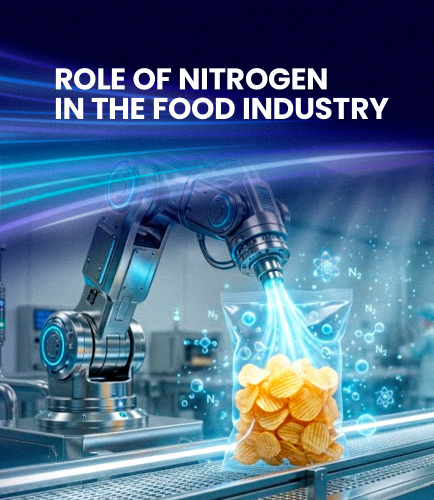
          Importance of Industrial Gases in Preventing Glass Delamination
          Importance of Industrial Gases in Preventing Glass Delamination

          Importance of Industrial Gases in Preventing Glass Delamination

          Glass is one of the most widely used materials for pharmaceutical packaging, particularly for vials, ampoules, and cartridges used to store injectable medicines. Its chemical resistance, transparency, and durability make it ideal for protecting sensitive pharmaceutical formulations during storage and transportation.

          However, one of the major challenges associated with pharmaceutical glass packaging is glass delamination. Delamination occurs when thin flakes of glass separate from the inner surface of containers and contaminate the drug product. This can compromise product quality, regulatory compliance, and patient safety.

          While several factors influence glass delamination, industrial gases used during glass manufacturing and processing play a critical role in maintaining glass quality and minimizing the risk of delamination.

          This article explores the importance of industrial gases in preventing glass delamination, particularly in pharmaceutical glass manufacturing.

          Understanding Glass Delamination

          Glass delamination refers to the separation of extremely thin glass layers from the inner surface of containers, often observed as flakes in pharmaceutical solutions.

          This process typically occurs when alkali ions such as sodium leach out from the glass surface into the stored liquid. Over time, the surface becomes depleted of these ions and forms a fragile silica-rich layer that can detach as microscopic flakes known as lamellae.

          In pharmaceutical applications, these flakes can contaminate injectable drugs and create serious safety concerns.

          Role of Industrial Gases in Glass Manufacturing

          Industrial gases are essential in glass melting, furnace operation, and atmosphere control, all of which influence the chemical and structural stability of glass containers.

          Using high-purity industrial gases helps manufacturers maintain consistent furnace temperatures, controlled atmospheres, and uniform glass composition, thereby reducing defects that could contribute to delamination.

          Nitrogen: Maintaining Controlled Furnace Atmospheres

          Nitrogen is widely used in glass manufacturing to create controlled furnace atmospheres and reduce oxidation reactions.
          A stable nitrogen atmosphere helps:
          • Minimize contamination during glass melting
          • Maintain chemical uniformity in the molten glass
          • Reduce surface defects in finished glass products
          These improvements enhance the structural integrity of pharmaceutical glass vials and lower the risk of surface degradation that could lead to delamination.

          Oxygen: Improving Combustion Efficiency and Glass Quality

          Oxygen plays a critical role in glass furnace combustion processes. Oxygen-enriched combustion systems allow manufacturers to achieve higher and more stable temperatures while reducing impurities.
          Benefits include:
          • More efficient melting of raw materials
          • Improved glass homogeneity
          • Reduced formation of defects and inclusions
          Uniform melting ensures the glass structure remains chemically stable and resistant to ion leaching, which is essential for preventing delamination.

          Specialty Gases in Advanced Glass Processing

          In specialized glass manufacturing environments, certain rare gases such as krypton and xenon may be used in advanced processing systems or performance testing applications.

          These gases support precision manufacturing processes and help maintain consistent material properties in high-performance glass products.

          Importance of Gas Purity in Glass Manufacturing

          The purity of gases used in glass manufacturing has a direct influence on product quality and defect prevention.
          • Improved Glass Quality
            High-purity gases reduce the introduction of impurities during furnace operations, leading to smoother glass surfaces and more stable chemical composition.
          • Reduced Defects and Higher Production Yield
            Stable furnace atmospheres and controlled combustion conditions help manufacturers achieve higher production efficiency and lower defect rates.
          • Safer Manufacturing Operations
            Properly controlled oxygen levels and inert gas environments contribute to safer furnace operations and reduced combustion risks.

          Reliable Industrial Gas Supply for Glass Manufacturers

          INOX Air Products provides high-purity industrial gases and process solutions that support glass manufacturing and pharmaceutical packaging industries.
          INOX Air Products offers:
          • Nitrogen for furnace atmosphere control
          • Oxygen enrichment solutions for glass melting
          • Reliable bulk gas supply systems
          • Technical expertise for process optimization
          These solutions help glass manufacturers improve product quality, enhance process efficiency, and reduce risks associated with glass defects such as delamination.

          Conclusion

          Glass delamination remains a critical concern for pharmaceutical packaging manufacturers due to its potential impact on drug safety, product stability, and regulatory compliance.

          While formulation chemistry and storage conditions influence delamination risk, controlled glass manufacturing supported by high-purity industrial gases plays an important role in preventing structural weaknesses in glass containers.

          By ensuring stable furnace atmospheres, efficient combustion, and consistent material quality, industrial gases contribute significantly to improving glass durability and minimizing the risk of delamination in pharmaceutical packaging.

          Get in Touch!

          Maximize Productivity With Our High-Purity Gas Solutions
            Role of Specialty Gases in Solar PV Cell Manufacturing
            Role of Specialty Gases in Solar PV Cell Manufacturing

            Role of Specialty Gases in Solar PV Cell Manufacturing

            Specialty gases are the essential components that are ignored most of the time, though they are necessary in the whole process and are the main contributors to the quality, efficiency, and lifespan of the solar panel.

            The gases utilized in the fabrication of solar cells are essential in the steps of deposition, doping, and cleaning. These steps are crucial to produce a solar cell with fine layers and high-performance structures. The quality and precision of the high-purity gases used determine the production of solar cells with high conversion efficiencies. Any deviation can cause a decrease in performance or an increase in defects, which can be very serious for the end product. The gases used for manufacturing solar PV cells are:

            1.Silane

            Silane is the main element in the fabrication of thin-film solar cells, where it is utilized to make a layer of amorphous or polycrystalline silicon on the substrate. It is applied to the tunnel oxide layer in order to obtain the silicon layer of the solar cell structure. The purity of silane affects the uniformity of the silicon layer directly, thus assuring high efficiency of the cell through controlled application, especially the optimal film thickness and layer uniformity. Silane is also employed in the PECVD process, together with other gases, to produce an anti-reflection coating of silicon nitride.

            2.Hydrogen

            Hydrogen is a passivating agent for defects in silicon layers. Passivation is the process that neutralizes dangling bonds and defects in the silicon structure, which would have served as recombination centers for electrons and holes, thus reducing the efficiency. Also, hydrogen can be used with silane and other gases to deposit silicon nitride, which is the anti-reflecting layer that absorbs the light to the maximum extent.

            3.Nitrogen trifluoride

            Nitrogen trifluoride is one of the many gases that are used in solar cell PV manufacturing to get rid of residue films from plasma-enhanced chemical vapor deposition (PECVD) and other chambers. This "dry cleaning" technique is performed by the reactive fluorine radicals that are generated from a plasma-excited nitrogen trifluoride and are used to remove silicon-based residues, thus allowing each manufacturing step to start with a clean surface and result in the overall yield and efficiency of the solar cell being maintained.

            4.Phosphine and Boron Trichloride

            In the manufacturing of photovoltaic (PV) cells, phosphine and boron trichloride are the two essential specialty gases that are strongly used as doping agents to create the two most important p-type and n-type semiconductor layers. The exact and controlled usage of these high-purity specialty gases is the main factor leading to correct doping levels and the uniform layers that are the basis of high conversion efficiencies and the final performance and stability of solar cells.

            5.Oxygen and Argon

            Argon is an essential shielding and purging gas to protect against oxygen during high-temperature processes and to remove impurities, while oxygen is employed to produce silicon oxides that serve as passivation layers or anti-reflective coatings. The ultra-high purity of these specialty gases used for solar cell PV manufacturing is very important for precision manufacturing, as the presence of impurities can have a negative effect on the performance and efficiency of the cells.

            6.Ammonia

            Ammonia is an important factor that leads to gaining efficiency in solar cell technology. It is the compound that is used to deposit silicon nitride (SiNx) layers, which serve as an anti-reflecting coating, and thus light absorption is enhanced. Besides, ammonia is helpful in the formation of the passivating tunnel oxide layer, which leads to surface recombination reduction and better contact between the silicon substrate and metal contacts. The accurate use of ammonia guarantees the evenness of deposition of high-quality layers; thus, the performance and the life of solar cells are increased.

            7.Nitrous oxide

            Nitrous oxide is utilized as a precursor in the making of the tunnel oxide layer and performs an essential function in silicon surface oxidation during the deposition process, where a thin, high-quality silicon oxide layer is created that passivates the surface. Such passivation surface recombination reduction, which, in turn, raises the overall efficiency of the solar cell through better charge carrier collection. Moreover, controlled nitrous oxide usage ensures uniform and accurate tunnel oxide layer formation, which thus secures the solar cells’ long-term performance and stability.

            8.Nitrogen gas

            Nitrogen plays a very important role in the manufacturing of solar PV cells. It acts as an inert carrier that creates a protective, oxygen-free atmosphere for processes such as diffusion, coating, and annealing; thus, oxidation and contamination are prevented. Besides, it makes sure that the materials like silicon nitride and tunnel oxide are uniformly deposited, and it also helps to stabilize the temperature. The controlled environment that this creates leads to fewer defects; thus, the quality of the layers is improved, which is a great factor for charge carrier collection and the overall efficiency.

            9.Trimethyl Aluminum

            Trimethylaluminum (TMA) is a specialty gas used for the fabrication of solar PV cells to deposit an aluminum oxide layer via Atomic Layer Deposition (ALD) or Chemical Vapor Deposition (CVD). The aluminum oxide layer thus deposited reduces surface recombination of charge carriers and the metal oxide layer stabilizes the cell, so the cell becomes more efficient and stable.

            Conclusion

            Specialty gases are the main enablers of solar PV cell production, thus facilitating the generation of high-performing, long-lasting solar panels that are the backbone of the renewable energy revolution. Their exact use, from deposition and doping to cleaning and passivation, constitutes performance and reliability in solar cells.

            Manufacturers who want to keep their competitive edge in the solar market must partner with reliable suppliers of high-purity specialty gases for solar PV cell manufacturing processes. INOX Air Products is the leading manufacturer of industrial gases utilized in solar PV cells. It is widespread across 17 states with 45 operating locations, which is the most in the Industry. Our geographical diversification strategy allows us to effectively handle our costs and logistics, which, in turn, is a great reliability enhancer as a utility supplier by having multiple supply ​‍​‌‍​‍‌​‍​‌‍​‍‌points.

            For more information, email us at info@inoxap.com or contact your INOX Air Products Sales Coordinator.

            Get in Touch!

            Maximize Productivity With Our High-Purity Gas Solutions